Let’s be honest. When we think about “greening” our outdoor habits, we picture things like packing out trash, using reef-safe sunscreen, or choosing a hybrid car for the road trip. We rarely look at the gear in our hands and consider its environmental story. But here’s a thought: what if one of the most sustainable choices you can make as an outdoor enthusiast has been swinging in the trees all along? I’m talking about a simple, well-made hammock.
In a world of fast fashion and disposable gear, the right hammock stands apart. It’s not a trend-driven gadget destined for a landfill in two seasons. It’s a timeless piece of equipment whose entire value proposition is built on durability, multifunctionality, and reducing your need for other, less sustainable stuff. Choosing thoughtfully isn’t just about your comfort—it’s a quiet vote for a lighter, less cluttered way to enjoy the planet you’re exploring.
This is about moving beyond the buy-and-toss cycle. It’s about seeing your hammock not as a single-use item for naps, but as a cornerstone of a more intentional, low-impact outdoor life. Let’s unpack how a piece of fabric can be a small but powerful tool for sustainability.
The “Buy It For Life” Mentality in a Throwaway Culture
The most sustainable product is the one you already own. The next most sustainable is one built to last a decade, not a single summer. The outdoor industry is sadly not immune to planned obsolescence: flimsy chairs that snap, cheap tents that leak after a few uses.
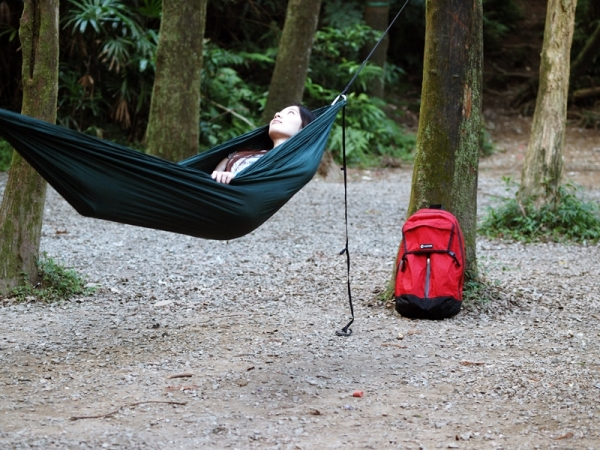
A high-quality hammock rebels against this. Its design is inherently durable—when made with the right materials, there are few moving parts to break. The environmental win is in its longevity. You buy it once. You repair a stitch if needed. You care for it. And it serves you for countless adventures, eliminating the need for repeated purchases of disposable relaxation gear. This “buy it for life” approach is the ultimate form of reduction, the first and most important “R” in the sustainability hierarchy.
One Tool, Many Uses: The Ultimate in Gear Reduction
Think about the typical camping kit: a chair, a sleeping pad, maybe a lounger for the beach. Each item requires resources to manufacture, package, and ship. Each takes up space.
A versatile hammock consolidates these functions. It’s your chair, your bed, your beach lounger, and your backyard oasis. By investing in one robust, multi-purpose tool, you actively reduce your consumption of single-purpose items. This isn’t just good for your storage shed; it’s good for the planet. Less production demand means fewer resources extracted and less energy consumed. You’re simplifying your kit while deepening your connection to a single, well-loved piece of equipment.
The Material Matters: Choosing Longevity Over Disposability
This is where your purchasing power speaks volumes. Not all hammocks are created equal. The sustainable choice prioritizes materials that are tough, resilient, and responsibly sourced.
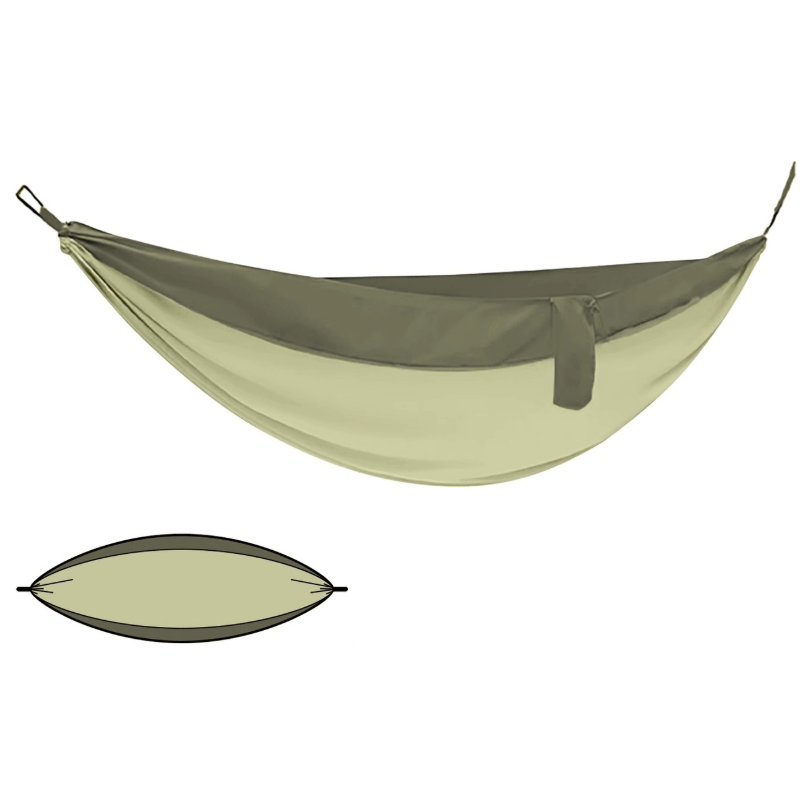
This philosophy is embodied in something like the Classic Hammock. Let’s talk about why. Its description isn’t flashy with tech jargon; it’s confident in its fundamentals: soft, breathable, and durable. That last word is key. This high-quality outdoor hammock is built to endure seasons of sun, the occasional rain shower, and the weight of real use. The strong support capacity that can bear up to 300 kg isn’t just about holding people; it’s a testament to an over-engineered strength that guarantees a long, useful life.
The fact that it’s easily hung between trees, on balconies, or in gardens with its included straps means you’ll use it everywhere, maximizing its utility. And because it comes equipped with a carrying bag, it’s easy to store and protect, which is half the battle in making gear last. You’re not buying a seasonal toy; you’re investing in a perennial portal to relaxation.
The Ripple Effect: Beyond the Product Itself
Owning a durable, beloved piece of gear changes your behavior. You’re more likely to take care of it, to clean it properly, and to store it well. This mindful relationship with your possessions is a cornerstone of sustainable living. It also encourages you to get outside more—to use that local park, that nearby beach, or your own backyard—opting for low-carbon, nature-based leisure over energy-intensive alternatives.
Furthermore, a great hammock needs no power, creates no light pollution, and leaves no trace when used with tree-friendly straps. Your relaxation has a near-zero operational carbon footprint. You’re just there, swinging gently, connected to the environment without draining it.
FAQ: Sustainable Hammocking, Answered
Q: Isn’t all nylon bad for the environment?
A: It’s a nuanced issue. Virgin nylon production has an impact. However, high-quality nylon like that used in performance hammocks is valued for its incredible strength-to-weight ratio and longevity. A durable nylon hammock that lasts 10+ years and replaces multiple lesser items is often more sustainable than a “natural” fiber option that degrades quickly and needs frequent replacement. The key is quality and longevity.
Q: How do I dispose of a hammock ethically if it truly wears out?
A: First, see if it can be repaired! A torn stitch can be fixed. If it’s beyond repair, check with local textile recycling programs. Some organizations repurpose tough nylon fabric. The goal of choosing a durable product is to make this question irrelevant for a very, very long time.
Q: Are there other sustainable practices for using a hammock?
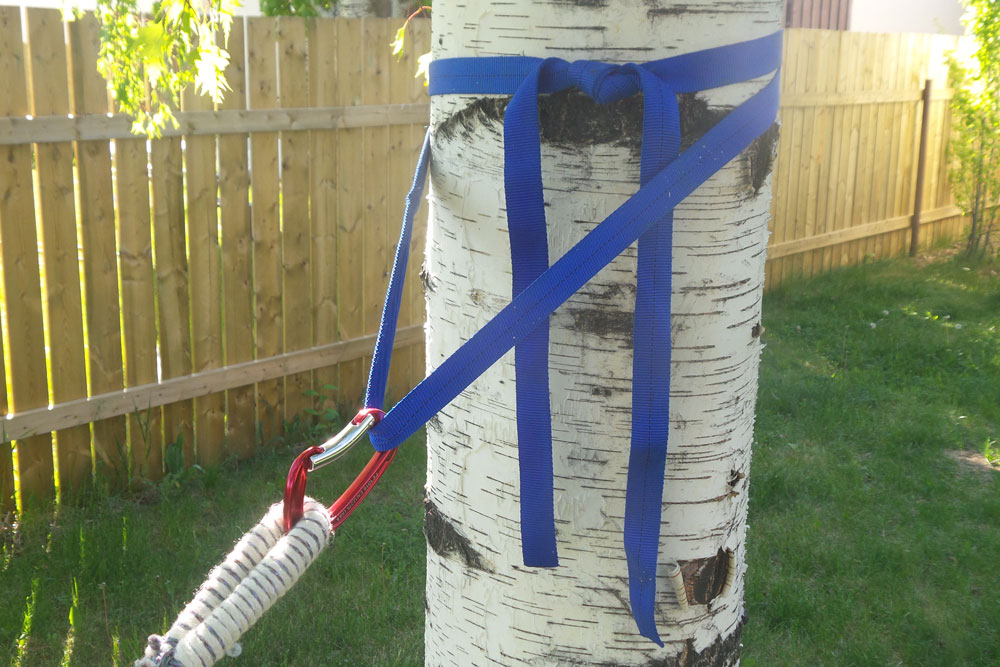
A: Absolutely. Always use wide, tree-friendly straps to protect bark (never use thin rope that can girdle and harm trees). Follow Leave No Trace principles. And the biggest one: use it! The most sustainable gear is the gear that gets used regularly, fostering a lifelong appreciation for the outdoors.
A Simple Swing Towards a Greener Habit
In the end, choosing a hammock like the Classic isn’t just about buying a product. It’s about embracing a mindset. It’s a commitment to quality over quantity, to durability over disposability, and to experiences over accumulation.
It’s a reminder that sometimes, the most eco-friendly innovations aren’t high-tech but are brilliantly low-tech and timeless. By picking a piece of gear designed to last, you’re not just ensuring your own comfort for years to come—you’re making a small, thoughtful choice that lightens your footprint on the very landscapes you love to explore. That’s a feeling of relaxation that goes deeper than any afternoon nap.
Ready to make a choice that’s good for you and the planet? Explore our collection of durable, sustainably minded hammocks built to last for countless adventures.