Hammock Camping Complete Guide: Gear, Insulation, and Overnight Tips
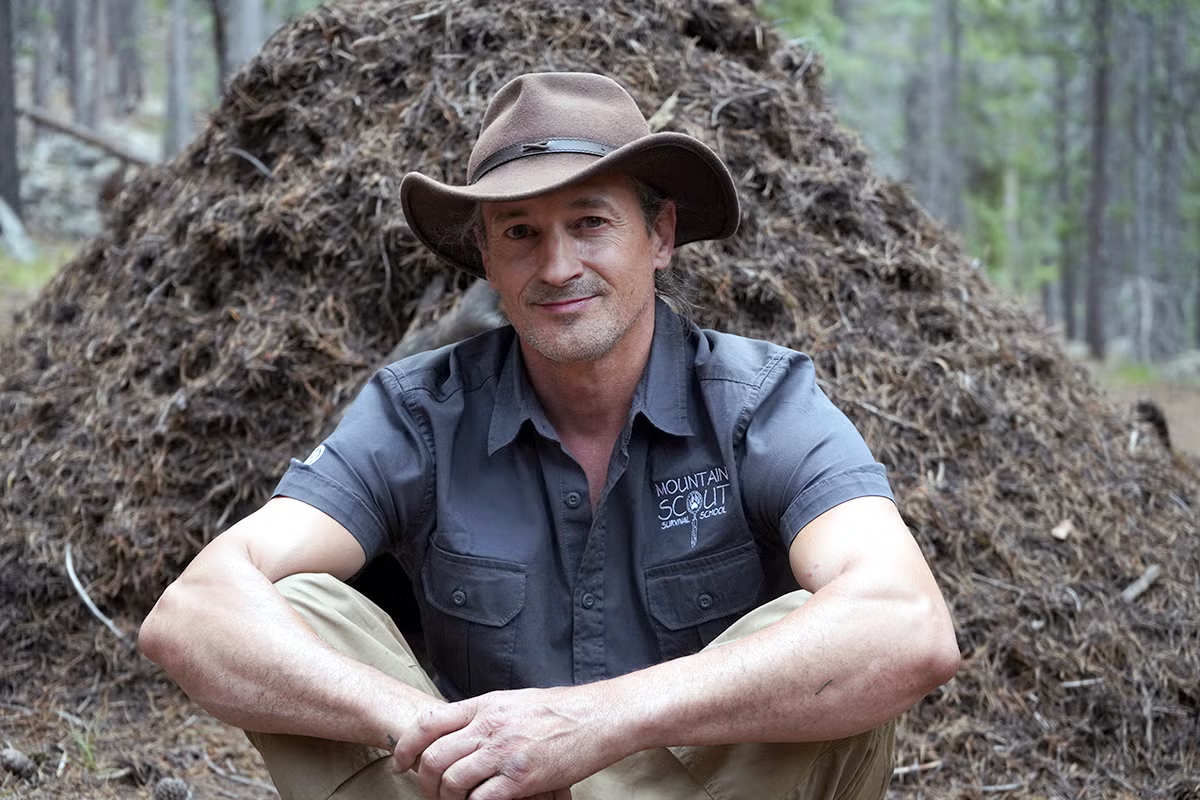
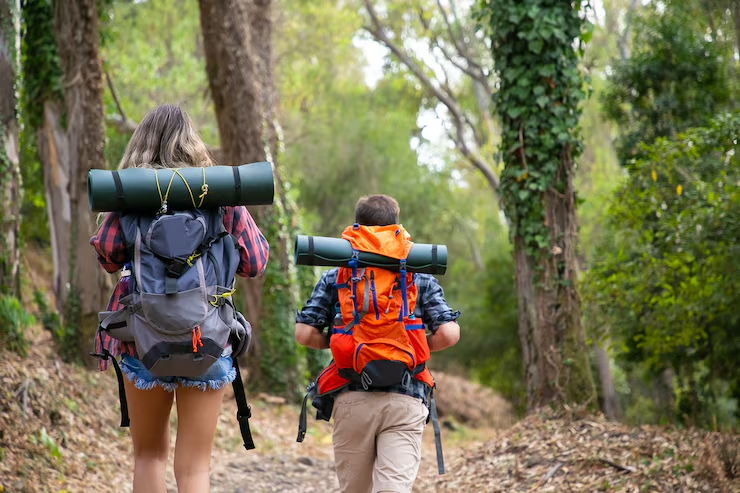
If you’re new to sleeping off the ground, a hammock can feel like magic: lightweight, comfortable, and oddly therapeutic. This guide walks you through choosing the right camping sling, essential insulation, and practical overnight tips that keep you warm, dry, and smiling. Expect clear gear choices, real-world setup advice, and product picks you can actually buy and use tonight.
Why Choose Suspended Sleeping
Suspended sleeping saves space in your pack and frees you from uneven or rocky ground. It creates an ergonomic sleep position for many people, reduces contact with cold, damp soil, and doubles as a daytime lounge. For minimalist hikers or backyard relaxers, this kind of bed is versatile—great for short naps, stargazing, and multi-night trips alike.
Core Types for Campers
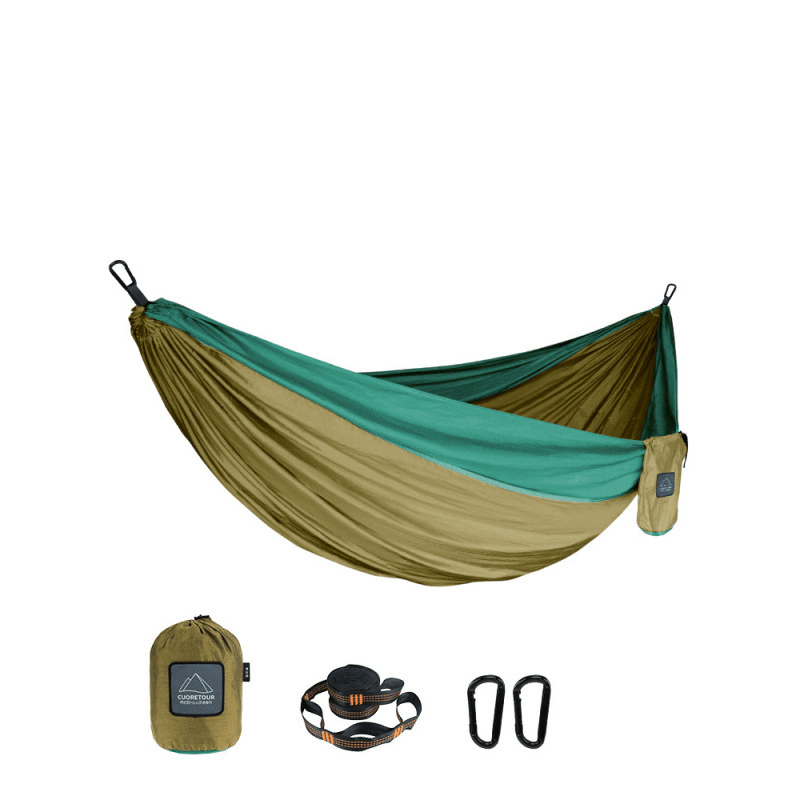
Before you buy, know the main options. Each model suits different trip styles.
Ultra-Light Travel: Backpackers’ First Love
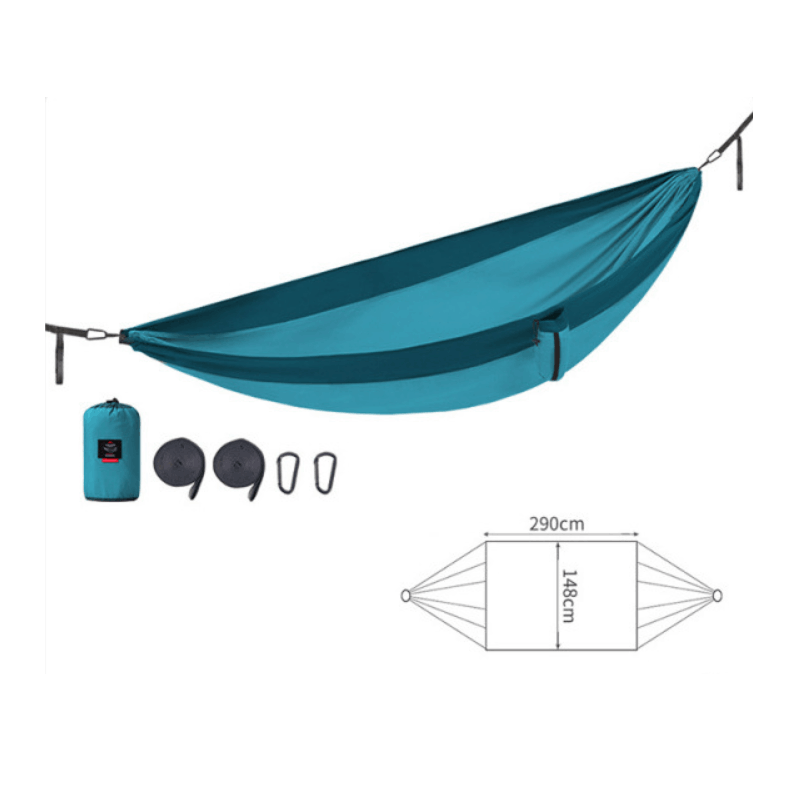
The Ultra-Light Travel Hammock is built for adventurers. It features quick-drying nylon, triple stitching, aluminum hooks, and high-strength ropes. Capable of supporting up to 180 kg, it comes in a variety of colors, including green, blue, and orange, while its compact size and extremely compact storage allow you to enjoy comfort without sacrificing weight. If you pack ultralight and plan to hike in, this is the obvious choice.
Bug-Proof Options: Sleep Without Bites
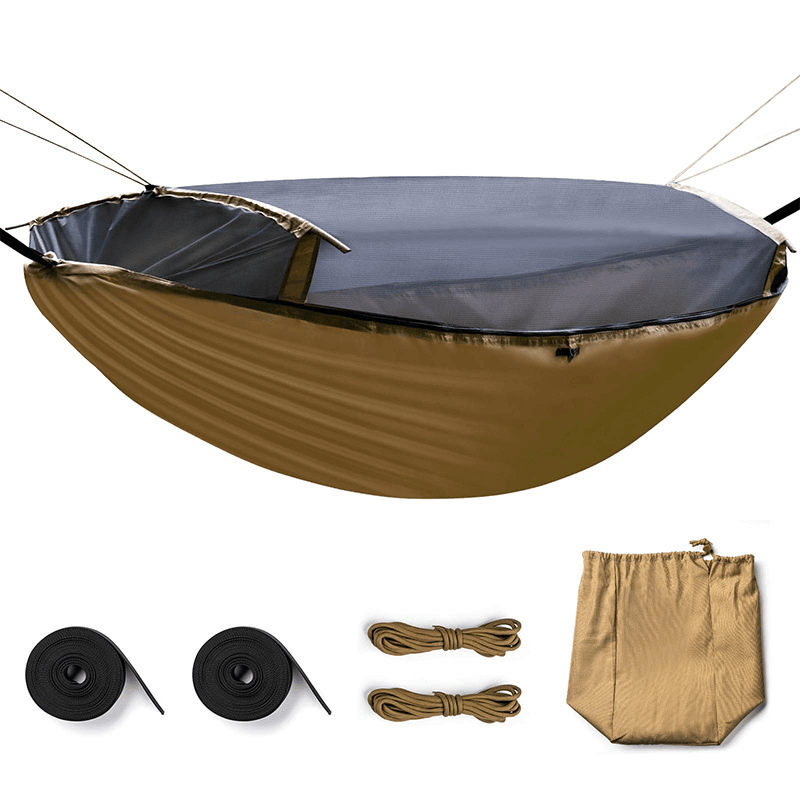
If you camp where mosquitos are part of the crew, the Outdoor Mosquito-Proof Hammock is a game-changer. Rated for 250 kg, it’s made of aviation-grade tear-resistant nylon and comes with anti-slip straps and climbing buckles. Quick to install (about a minute), moisture-proof, and UV-resistant, this model keeps bugs off and sleep uninterrupted—perfect for lakes, forests, and humid mornings.
Tent-Like and Classic Designs: Backyard and Car-Camping Picks
For car campers and backyard loungers, the Nylon Tent-Like Outdoor Hammock and the Classic model are both reliable. Each supports up to 300 kg. The tent-like version comes in blackish green, royal blue, orange-gray, fruit green, and pink, while the Classic comes in green, yellow-blue, and khaki—options that suit parks, porches, and beach days. These models are roomy, breathable, and come with carrying bags for storage.
What to Look For: Features Checklist
When evaluating hammocks, use this checklist.
- Load bearing: Match the rated capacity to your weight plus gear.
- Material & durability: Tear-resistant nylon and solid stitching—triple stitching is ideal.
- Hardware: Aluminum hooks and reliable straps speed setup and reduce weight.
- Weather readiness: If bugs or moisture are concerns, choose a bug-netted version or add a tarp and bug net.
- Packability: For backpacking, size and weight matter—ultra-light options win here.
- Ease of setup: Anti-slip straps and climbing buckles can cut setup time to a minute or so.
Insulation and Sleep Systems
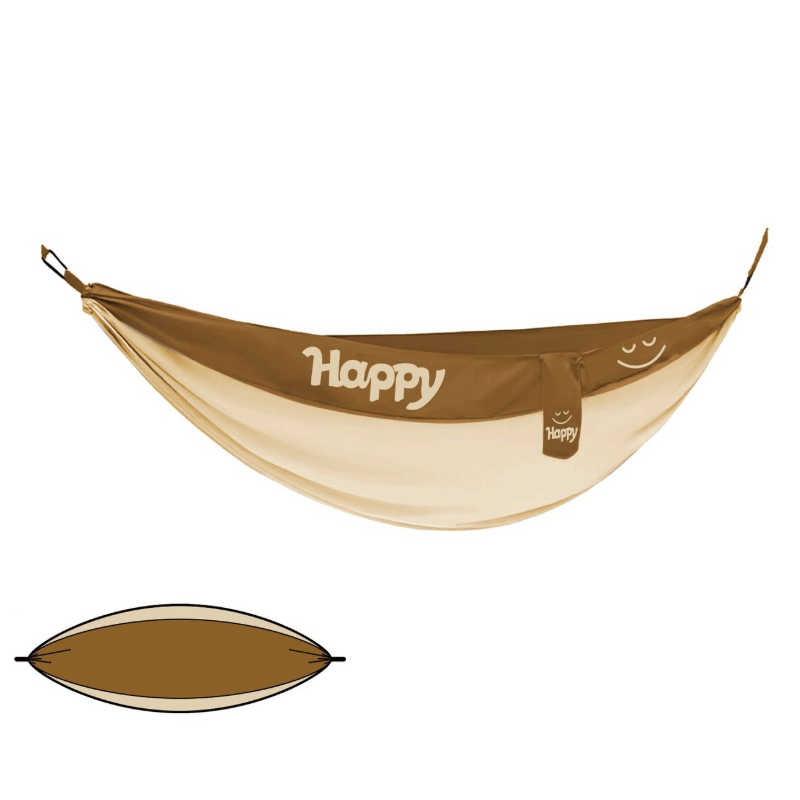
Sleeping suspended exposes your back to cold and wind, so insulation matters more than you might expect.
Underquilts vs Sleeping Pads
Traditional foam pads often fail in sling systems because the pad compresses and loses insulation where your body presses it. Underquilts hang beneath the bed and trap warm air—preferred for serious cold-weather use.
Bags and Quilts
Top quilts and sleeping bags rated for appropriate temperatures are still useful. If you use an underquilt, your top quilt can be lighter. For casual warm-weather trips, a lightweight bag paired with a bug-proof model is plenty.
Tarps, Rainflies, and Shelters
A waterproof tarp or rainfly is essential if rain is possible. Many of the outdoor models pair well with tarps sized to shed wind and water. The tent-like nylon version offers a sheltered feel, but for full rain protection, add a dedicated tarp.
Setup Tips for a Restful Night
A few practical steps make camping comfortable and safe.
Choose Strong Anchor Points
Stronger is better. Use trees at least 20–30 cm in diameter when possible, or sturdy vehicle or rock anchors. Keep straps high enough so the bed sits at a good angle—aim for about 30 degrees from horizontal to avoid excessive sagging.
Hang Angle and Sag
A slight sag actually improves comfort. Hang with an angle around 30 degrees; this gives a flatter lay and reduces pressure points.
Height Above Ground
Set the lowest point around 40–50 cm off the ground—low enough to board easily but high enough to clear puddles and critters.
Protect Trees and Environment
Use wide tree straps to avoid damaging bark. Many of the products in our Home work with anti-slip straps to protect trees and make setup smoother.
Overnight Hacks You’ll Actually Use
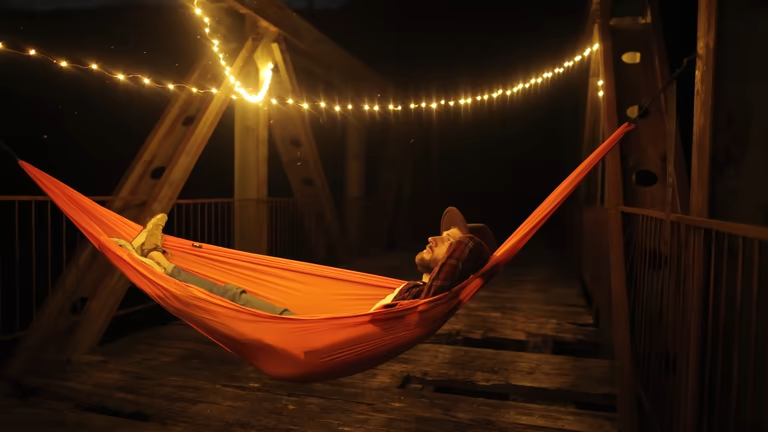
- Bring a small pillow or stuff a jacket into a pillowcase. Instant comfort.
- Layer clothes inside your quilt for temperature control.
- Use a small ridgeline to hang a headlamp, dry socks, or keep a rainfly taut.
- Pack cords and carabiners; aluminum hooks and strong ropes included with some models speed this process.
- Test your setup at home before you head out—nothing ruins a trip like learning knots in the dark.
How to Pick for Your Trip Style
Here’s a simple decision map.
Fast-and-Light Backpacking
Pick the Ultra-Light Travel Hammock. It balances weight and durability and stores extremely compactly. Available colors: green, blue, and orange. Size options: single or double.
Weekend Car-Camping or Beach Days
The Nylon Tent-Like Outdoor Hammock, or the Classic model, gives roomy comfort and higher load capacity—great for sharing or lounging with gear. Colors and size options vary by model.
Bug-Heavy or Humid Locations
Choose the Outdoor Mosquito-Proof Hammock. Its aviation-grade nylon and built-in bug protection reduce hassle and let you sleep insect-free.
Top Hammock Picks and What They Offer
- Ultra-Light Travel Hammock—Quick-dry nylon, triple stitching, aluminum hooks, 180 kg capacity, ultra-compact for hikers. Available in green, blue, and orange; single or double size.
- Outdoor Mosquito-Proof Hammock—tear-resistant fabric, 250 kg capacity, anti-slip straps, one-minute setup—ideal for buggy zones.
- Nylon Tent-Like Outdoor Hammock—300 kg support, multiple color options, breathable and portable—perfect for backyard or beach. Colors: blackish green, royal blue, orange-gray, fruit green, and pink. Sizes: single or double.
- Classic Hammock—soft, breathable, durable, 300 kg capacity, great for relaxed hangs and communal lounging. Colors: green, yellow-blue, and khaki. Sizes: single or double.
Safety, Etiquette, and Maintenance
- Don’t overload a product—respect the load-bearing ratings.
- Use tree-friendly straps.
- Keep fabric away from open flames and embers.
- Rinse, dry, and store in the carrying bag to prolong life.
Extended Tips for Comfort and Longevity
Rotate usage between different models if you own multiple—this reduces wear. Inspect straps and stitching before each trip. If you camp frequently, consider a repair kit with a needle and nylon thread. Treat stains with mild soap; avoid harsh chemicals that weaken nylon fibers. When possible, warm items before sleeping (store gloves or socks inside your sleeping bag) and keep electronics in dry pockets attached to the ridgeline.
Real Trip Scenarios: Two Quick Case Studies
Scenario 1—Alpine Overnight
You hike eight miles, summit late, and need lightweight, reliable sleep gear. You choose the Ultra-Light Travel Hammock with an underquilt and tarp. The result: a compact pack, fast setup, and a surprisingly warm night despite wind. Aluminum hooks and triple stitching mean you spend time enjoying views, not fixing gear.
Scenario 2—Lakeside Weekend
You drive, set up near a calm shore, and want comfort plus bug protection. The Outdoor Mosquito-Proof Hammock paired with a small tarp gives shade, shelter, and a bite-free sleep. It installs fast and handles damp mornings without trapping moisture.
Both trips highlight a practical rule: match the product to the environment, not just the price. Test at home, pack redundancies for critical items, and remember that a better night’s sleep makes for better days on the trail.
FAQ Quick Hits
Can I sleep all night in a suspended bed?
Yes—many people prefer it. Proper insulation and a comfortable lay are the keys.
Is this safe in cold weather?
Yes, with the right underquilt and insulation strategy. Tarps and wind protection help.
What if there are no trees?
Use vehicle anchors, poles, or lightweight stands if you’ll be in low-tree zones. For car camping, plenty of options exist.
Final Verdict: Which Product Should You Buy
If your trips are hike-first and weight-conscious, go with the Ultra-Light Travel Hammock in green, blue, or orange—its design prioritizes packability and reliable hardware. If bugs are a concern, the Outdoor Mosquito-Proof Hammock is purpose-built for itchy environments and installs in about a minute. For relaxed weekends, the Nylon Tent-Like Outdoor Hammock or the Classic model gives you roomy support up to 300 kg and multiple color choices.
Hammock camping is addictive in the best way—simple gear, big comfort payoff, and a tiny footprint on the trail. Pick the model that fits your style: ultralight for miles, bug-proof for buggy nights, or tent-like for slow weekends. Try one, and you’ll wonder why you didn’t hang one sooner. Shop the best hammock options—lightweight, bug-proof, and roomy choices await.